Continuous Line Design of Fast Food and Drinks: A Practical Asset for Modern Branding
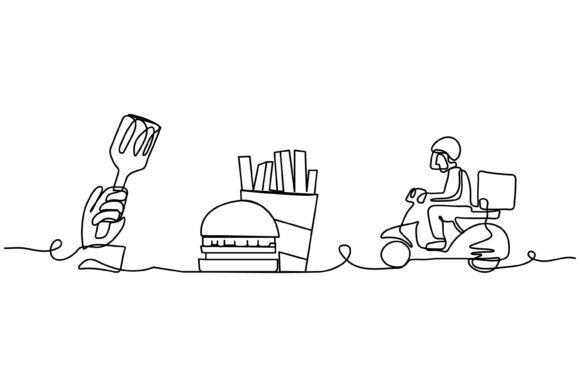
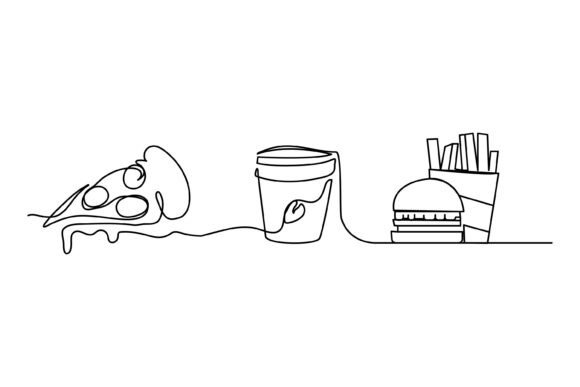
In the crowded visual landscape of the food and beverage industry, clarity and speed are paramount. Consumers make split-second decisions, often influenced by subconscious cues from packaging, signage, and digital advertisements. This is where the Continuous Line Design of Fast food and drinks emerges as a compelling stylistic choice. It is not merely an artistic trend but a functional design strategy that leverages minimalism to communicate energy, fluidity, and modernity. By reducing complex subjects—such as a steaming coffee cup, a juicy burger, or a refreshing soda—to a single, unbroken stroke, designers create images that are instantly recognizable yet aesthetically sophisticated.
This article evaluates the practical application of continuous line art in commercial contexts, examining its usability, versatility, and long-term value for professionals ranging from marketing directors to independent cafe owners. We will explore why this specific aesthetic, particularly when delivered in versatile formats like EPS, SVG, and JPG, serves as a robust resource for contemporary creative workflows.
The Mechanics of Minimalist Communication
Continuous line drawing, also known as one-line art, relies on the principle of suggestion rather than explicit detail. The artist never lifts the pen from the paper, creating a seamless flow that guides the viewer’s eye through the entire composition. When applied to fast food and beverages, this technique strips away unnecessary textures and shadows, leaving only the essential contours that define the object.
The strength of the Continuous Line Design of Fast food lies in its cognitive efficiency. The human brain is wired to recognize patterns and complete incomplete shapes. A single curved line can suggest the rim of a coffee cup; a jagged loop can imply the crispiness of fried chicken. For businesses, this translates to immediate recognition without visual clutter. In an era where mobile screens dominate consumer interaction, designs must be legible at small sizes. Continuous line art excels here because it avoids the muddiness that often plagues detailed illustrations when scaled down.
Versatility Across Digital and Print Media
One of the most significant advantages of acquiring continuous line assets is their adaptability. When these designs are provided in vector formats such as EPS and SVG, they offer infinite scalability without loss of quality. This is crucial for brands that need consistent imagery across diverse touchpoints.
- Digital Applications: SVG files are lightweight and ideal for web use. They load quickly, improving site performance—a key factor in SEO and user experience. These files can be manipulated via CSS, allowing developers to change line colors or thickness dynamically to match seasonal promotions or dark mode settings.
- Print Materials: EPS files ensure high-resolution output for physical media. Whether printed on a small business card, a large storefront window decal, or a takeaway bag, the lines remain crisp and clean. This reliability reduces the risk of pixelation, which can undermine perceived brand quality.
- Raster Use Cases: The inclusion of JPG files provides immediate usability for social media posts or email newsletters where vector editing software is not available. While less flexible than vectors, high-quality JPGs offer a plug-and-play solution for quick content creation.
This multi-format approach ensures that the Continuous Line Design of Fast food assets integrate seamlessly into existing workflows, whether you are a graphic designer using Adobe Illustrator or a small business owner using Canva.
Enhancing Brand Identity and Perception
Fast food and beverage brands often struggle with the perception of being generic or low-quality. Continuous line art offers a pathway to elevate brand identity. The style conveys a sense of craftsmanship and intentionality. It suggests that the brand values simplicity and elegance, even in a fast-paced environment.
For example, a specialty coffee shop might use a continuous line illustration of a pour-over setup on its packaging. This subtle design choice signals artisanal quality without using verbose text. Similarly, a health-focused juice bar might employ flowing, organic lines to depict fruits, reinforcing messages of natural ingredients and vitality. The aesthetic bridges the gap between the speed of service and the quality of the product.
Moreover, this style is highly effective for creating cohesive visual systems. Because the technique is uniform, disparate items—such as a sandwich, a drink, and a dessert—look like part of the same family when rendered in continuous line. This consistency strengthens brand recall and creates a professional, polished look across menus, apps, and merchandise.
Practical Considerations for Implementation
While the benefits are clear, successful implementation requires thoughtful integration. Designers and marketers should consider the following factors when incorporating the Continuous Line Design of Fast food elements into their projects:
- Contrast and Background: Since these designs are typically drawn on white or transparent backgrounds, ensuring sufficient contrast is vital. Black lines on white are classic, but brand colors can be used effectively. However, avoid placing thin lines over busy photographic backgrounds, as this can reduce legibility.
- Line Weight Consistency: If combining multiple icons or illustrations, ensure the line weight is consistent. A mix of thick and thin lines can look unintentional and messy. Most vector assets allow for easy adjustment of stroke width, so take advantage of this flexibility to match your brand’s typography.
- Contextual Relevance: Not every food item translates well to continuous line art. Complex dishes with many distinct components may become confusing. Stick to iconic, simple shapes like burgers, pizza slices, coffee cups, and soda cans for the best results.
It is also important to note that while continuous line art is versatile, it should not replace photography entirely. High-quality photos still play a crucial role in appetizing food marketing. Instead, use line art as a complementary element—for icons, section dividers, background patterns, or illustrative accents that add personality without competing with product shots.
Who Benefits Most from This Design Approach?
The utility of the Continuous Line Design of Fast food extends beyond traditional graphic designers. Several groups will find particular value in these assets:
Small Business Owners and Entrepreneurs: For those with limited budgets for custom illustration, pre-made continuous line assets offer a cost-effective way to achieve a custom look. They can be used immediately for logo variations, menu designs, and social media graphics, saving time and money.
Content Creators and Bloggers: Food bloggers and lifestyle influencers often need unique visuals to break up text or highlight recipes. Continuous line drawings provide a stylish, non-intrusive way to enhance content without the legal complexities of stock photography.
Educators and Publishers: In educational materials about nutrition, culinary arts, or business, these clear, schematic-style illustrations help explain concepts without distraction. Their simplicity makes them ideal for textbooks, worksheets, and presentations.
Web and App Developers: The lightweight nature of SVG continuous line icons makes them perfect for user interfaces. They contribute to faster load times and cleaner code, enhancing the overall technical performance of digital products.
Evaluating Long-Term Value and Usability
When assessing the return on investment for design assets, longevity is a key metric. Trends in food photography change rapidly, but minimalist line art has proven to be enduring. Its roots in modernist design principles give it a timeless quality that resists dating. Investing in a comprehensive set of Continuous Line Design of Fast food and drink illustrations means you can reuse them across multiple campaigns and years without needing frequent updates.
Furthermore, the ease of customization adds to their long-term value. As brand guidelines evolve, vector files can be recolored or modified to fit new themes. This flexibility ensures that the initial purchase continues to deliver value as your business grows and changes.
In conclusion, the Continuous Line Design of Fast food and drinks represents a smart, strategic choice for modern branding. It balances aesthetic appeal with functional efficiency, offering a versatile tool for communicating quality and speed. By understanding its strengths and applying it thoughtfully across digital and print media, professionals can enhance their visual identity, improve user engagement, and create a cohesive brand experience that resonates with today’s discerning consumers. Whether you are refining a corporate identity or launching a new startup, these minimalist assets provide a solid foundation for impactful visual communication.