Continuous Line Build Tool Design
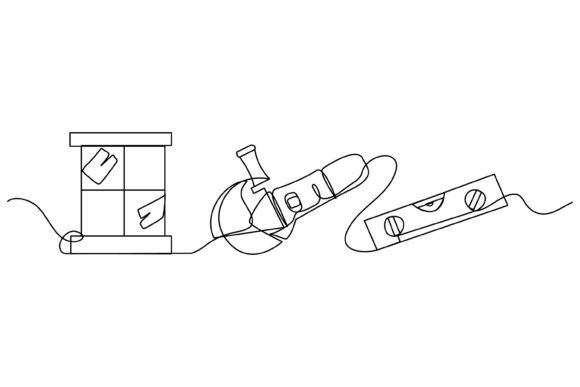
In the world of digital illustration and graphic design, minimalism has evolved from a passing trend into a foundational aesthetic. At the heart of this movement lies the Continuous Line Design of Build Tool, a striking visual representation where complex machinery is rendered through a single, unbroken stroke. This specific asset—a single line decorative element drawn on white—offers more than just visual appeal; it provides a versatile foundation for branding, educational materials, and creative projects. When you acquire this design, you receive a comprehensive package including EPS, SVG, and JPG formats, ensuring compatibility across virtually every design workflow.
Understanding the value of this asset requires looking beyond the image itself. It is about recognizing how a simplified, elegant representation of industrial complexity can communicate sophistication, efficiency, and clarity. Whether you are a seasoned graphic designer or a small business owner managing your own marketing, the utility of this continuous line art depends largely on your specific goals and the context in which you plan to use it.
The Appeal of Unbroken Simplicity
The concept behind continuous line drawing is deceptively simple: the pen never lifts from the paper. In the context of a build tool, this technique transforms heavy, mechanical objects into fluid, organic shapes. The contrast between the rigid nature of construction equipment and the graceful flow of the line creates a visual tension that captures attention. For designers, this is a powerful tool because it reduces visual noise. In an era where audiences are bombarded with high-saturation, complex imagery, a black-and-white line drawing offers a moment of calm and focus.
The inclusion of multiple file formats—EPS, SVG, and JPG—is not merely a technical detail; it is a critical feature that determines the asset's longevity and flexibility. The JPG provides a quick, ready-to-use raster image for social media posts or web banners. However, the true power lies in the vector files. SVG and EPS formats allow for infinite scalability without loss of quality. This means the same icon can be used on a business card or blown up for a trade show banner without becoming pixelated or blurry. For professionals, this versatility is non-negotiable.
Perspectives from Different Creators
Different users approach the Continuous Line Design of Build Tool with distinct priorities. By understanding these varying perspectives, you can better evaluate whether this asset aligns with your current projects.
For Brand Strategists and Marketers
If you are building a brand identity for a construction firm, architecture studio, or engineering consultancy, trust and precision are paramount. Traditional logos featuring realistic tools can appear cluttered or dated. A continuous line design suggests modernity and streamlined efficiency. Marketers might use this element as a watermark on proposals, as a subtle background pattern on website headers, or as an icon in presentation decks. The priority here is brand consistency and professional perception. The clean lines convey that the company values clarity and precision in their work, mirroring the precision of the tool itself.
For Educators and Content Creators
Educators teaching vocational skills, engineering principles, or design theory often struggle to find visuals that are engaging yet not distracting. Complex diagrams can overwhelm students, while cartoonish clip art may undermine the seriousness of the subject. This continuous line design strikes a balance. It is recognizable enough to be immediately understood as a build tool, yet abstract enough to serve as a discussion starter. Bloggers and YouTubers in the DIY or home improvement niche can use the SVG file to create custom thumbnails or chapter markers. For them, the key benefit is visual engagement without copyright headaches, provided they have the appropriate license.
For Hobbyists and Craft Enthusiasts
The rise of consumer-grade cutting machines has opened new avenues for hobbyists. Those who enjoy vinyl cutting, laser engraving, or paper crafts will find the SVG format particularly valuable. Because the design is a single continuous path, it is ideal for plotter pens and vinyl cutters, reducing the need for complex weeding or multi-layer alignment. A hobbyist might use this design to create custom decals for toolboxes, wall art for a workshop, or personalized gifts for friends in the trades. Here, the priority is ease of fabrication and aesthetic charm. The simplicity of the line ensures that the cutting process is smooth and the final result is clean.
Evaluating Quality and Usability
When considering any digital asset, especially one as minimalist as a single line drawing, quality control is essential. Not all vector files are created equal. A well-constructed Continuous Line Design of Build Tool should have smooth anchor points and consistent stroke weights. If the line wavers unintentionally or if the anchor points are excessive, the design loses its elegance. The provided EPS and SVG files should be optimized, meaning they do not contain unnecessary data that bloats file size or slows down design software.
Another critical factor is adaptability. While the design is presented as a black line on white, its true test is how it performs against different backgrounds. Can it be reversed to white on a dark background? Can the stroke color be changed to match a corporate palette? Vector formats allow for this effortless customization. Raster images like JPGs do not. Therefore, even if you initially only need a simple image, investing in the vector package ensures you are prepared for future design shifts.
Making the Right Choice for Your Project
To determine if this design fits your needs, ask yourself a few practical questions. Are you looking for a literal representation of a tool, or a symbolic one? If you need to show specific mechanical details, a photograph or technical blueprint might be better. However, if your goal is to evoke the idea of building, creation, or industry in a stylish way, this continuous line art is an excellent choice.
Consider your technical comfort level. If you are unfamiliar with vector editing software like Adobe Illustrator or Inkscape, the JPG file offers immediate usability. You can drag and drop it into Word documents, PowerPoint slides, or basic photo editors. However, taking the time to learn how to manipulate the SVG file can unlock significant creative potential. Many free online tools now allow users to edit SVGs without expensive subscriptions, lowering the barrier to entry for beginners.
Ultimately, the Continuous Line Design of Build Tool serves as a bridge between industrial functionality and artistic expression. It respects the intelligence of the viewer by avoiding over-explanation, relying instead on the power of suggestion. Whether you are designing a logo, decorating a workspace, or illustrating a blog post, this asset offers a refined, professional solution. By providing EPS, SVG, and JPG formats, it accommodates both the quick needs of the casual user and the exacting standards of the design professional, making it a worthwhile addition to any creative library.