The Symbolism of Access: How Ornate Magic Keys Opening Secret Fantasy Reshapes Creative Strategy
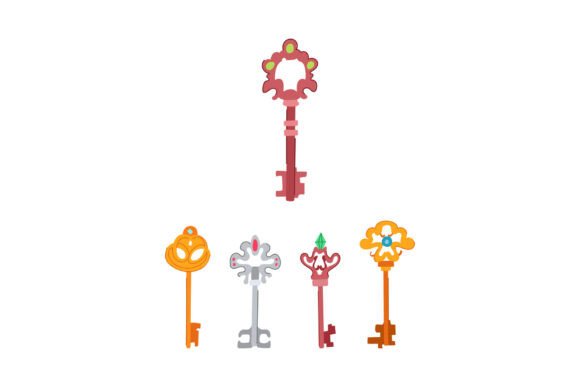
In the rapidly evolving landscape of digital creativity and brand storytelling, few visual motifs carry as much weight as the concept of Ornate Magic Keys Opening Secret Fantasy. This is not merely a whimsical illustration style; it represents a profound shift in how professionals, creators, and entrepreneurs approach the narrative of access. When we visualize various colorful fantasy keys featuring intricate designs and decorative gems, we are looking at more than just aesthetic objects. We are witnessing a powerful metaphor for unlocking hidden potential, securing valuable assets, and inviting audiences into exclusive realms of imagination.
For marketers and content strategists, understanding the psychological resonance of these symbols is crucial. The imagery of a key—specifically one that is ornate, magical, and laden with gemstones—speaks to a universal human desire: the need to discover what lies behind the closed door. In an era where information is abundant but meaning is scarce, the promise of a "secret" becomes a primary driver of engagement.
Defining the Aesthetic and Conceptual Framework
To understand why this trend is gaining traction, we must first define what Ornate Magic Keys Opening Secret Fantasy truly entails. At its core, this concept merges high-fantasy artistry with the functional symbolism of security and access. These are not simple iron tools; they are masterpieces of craftsmanship. Imagine a key forged from gold or silver, etched with runic inscriptions, and studded with rubies, sapphires, and emeralds that seem to pulse with an inner light. These decorative gems are not mere embellishments; they represent the value of what is being protected and the magic required to unlock it.
This aesthetic serves a dual purpose. Visually, it captures attention through complexity and color, standing out against the often minimalist backdrop of modern digital interfaces. Conceptually, it embodies the journey from the mundane to the extraordinary. It suggests that the solution to a problem, the next level of growth, or the ultimate creative breakthrough is guarded by a barrier that requires a specific, unique instrument to breach. For businesses, this translates to the idea that their product or service is the "key" that unlocks a better life, a higher status, or a deeper understanding for the consumer.
The Psychology of Unlocking Hidden Potential
Why are people paying such close attention to this specific imagery? The answer lies in the changing expectations of the modern consumer and professional. We live in a world of subscription models, gated content, and tiered access. The metaphor of the "locked door" is no longer abstract; it is our daily reality. Consequently, the symbol of the key has evolved from a utilitarian object to a badge of privilege and capability.
When an entrepreneur presents their vision using the language of Ornate Magic Keys Opening Secret Fantasy, they are tapping into a deep-seated psychological trigger. They are suggesting that their audience possesses latent abilities or desires that are currently dormant, waiting only for the right catalyst to be activated. The intricate designs on the key imply that the path to success is not generic; it is tailored, complex, and precious. The decorative gems signify that the reward is worth the effort of finding the lock.
This aligns perfectly with current trends in personal branding and luxury marketing. Consumers are increasingly willing to invest in experiences and products that feel exclusive and transformative. A standard tool promises efficiency; a magical key promises transformation. By adopting this visual and narrative framework, brands can elevate their positioning from commodity to treasure.
Integrating Fantasy Imagery into Professional Workflows
While the imagery is rooted in fantasy, its application in professional settings is remarkably practical. Creators and designers are utilizing these motifs to structure user journeys, gamify learning processes, and design immersive brand experiences. The concept of unlocking is central to many modern workflows, from software onboarding sequences to membership site structures.
- Visual Storytelling: Graphic designers are incorporating colorful fantasy keys into infographics and presentation decks to denote milestones. Each "key" unlocked represents a phase of project completion or a new level of client trust.
- Product Launches: Marketers use the motif to tease upcoming releases. The "ornate key" becomes the teaser campaign, hinting at the features (the gems) and the exclusivity (the secret) of the final product.
- Community Building: Online communities often adopt the language of "keys" to describe access tiers. Members who contribute significantly are granted "golden keys," granting them entry to private forums or direct interaction with founders.
These applications demonstrate that the fantasy element does not detract from professionalism; rather, it enhances it by adding a layer of emotional resonance. It transforms a transactional relationship into a collaborative quest.
Changing Preferences in Security and Trust
Interestingly, the rise of this aesthetic also mirrors shifting attitudes toward security. In the past, security was represented by cold, imposing barriers: steel doors, biometric scanners, and warning signs. Today, there is a growing preference for security that feels like stewardship. The Ornate Magic Keys Opening Secret Fantasy paradigm reframes security not as a restriction, but as a protection of something valuable.
For technology companies and fintech startups, this is a vital distinction. Users are wary of opaque algorithms and invasive data collection. However, they are receptive to systems that frame data privacy as a "vault" protected by a "magical key" held solely by the user. This shifts the narrative from fear to empowerment. The key becomes a symbol of agency. The user holds the power to open their own world, secure in the knowledge that the mechanism is intricate and designed specifically for them.
This shift reflects a broader industry trend toward "human-centric security." As artificial intelligence and automation become more prevalent, the human touch—the intricate design, the decorative gem, the sense of wonder—becomes the differentiator. It reassures users that behind the code, there is a commitment to value and care.
Practical Examples and Observations in the Market
Observing the market, we see these concepts manifesting in diverse ways. Consider the rise of NFTs and digital collectibles. Many successful collections utilize the imagery of rare, glowing keys to grant access to future drops or exclusive communities. The value proposition is clear: owning the key grants you entry to a secret fantasy realm that others cannot access. This is a direct application of the Ornate Magic Keys Opening Secret Fantasy archetype in the blockchain space.
Similarly, in the education sector, e-learning platforms are redesigning their course structures around the "unlocking" mechanic. Instead of a linear list of modules, learners progress through "chapters" that require a "key"—often earned through mastery of previous material—to proceed. This gamification strategy increases retention rates and makes the learning process feel like an adventure rather than a chore. The visual representation of these keys, often adorned with colors and patterns that change as the learner progresses, reinforces the sense of achievement.
Even in physical retail, the trend is visible. Pop-up stores and experiential marketing events often require attendees to solve puzzles or find hidden clues to receive a physical "key" that opens a specific section of the venue. These keys are frequently crafted with the same ornate detail described in our theme, turning a simple entry pass into a keepsake. This blurs the line between commerce and entertainment, creating a memorable brand experience that resonates long after the event concludes.
Connecting to Larger Developments
As we look forward, the relevance of Ornate Magic Keys Opening Secret Fantasy is likely to grow. We are moving toward an economy of attention and experience. In this environment, the ability to captivate an audience and offer them a sense of discovery is paramount. The key is the ultimate symbol of discovery.
Furthermore, as technology continues to integrate into our lives, the need for metaphors that bridge the gap between the digital and the tangible will increase. The ornate key serves as a perfect bridge. It is a physical object with a digital soul—a tool that operates in the realm of ideas and secrets while possessing a tangible, beautiful form. It reminds us that even in a hyper-connected world, there is still value in mystery, in the unknown, and in the effort required to uncover truth.
For professionals and creators, embracing this aesthetic is not about retreating into fantasy; it is about harnessing the power of story to drive real-world results. It is about recognizing that every challenge is a locked door, and every solution is a key waiting to be forged. By designing our strategies, products, and narratives with the intricacy and beauty of these magical artifacts, we invite our audiences to participate in a grander journey. We show them that the secrets they seek are real, the potential they hold is vast, and the key to unlocking it all is within their grasp.
Ultimately, the trend of Ornate Magic Keys Opening Secret Fantasy is a testament to the enduring power of symbolism. It reminds us that in business, in art, and in life, the most valuable things are often those that require a little bit of magic to find. As we continue to navigate a complex and competitive world, let us remember that the right key can open any door, revealing the hidden potential that lies just beyond the threshold.