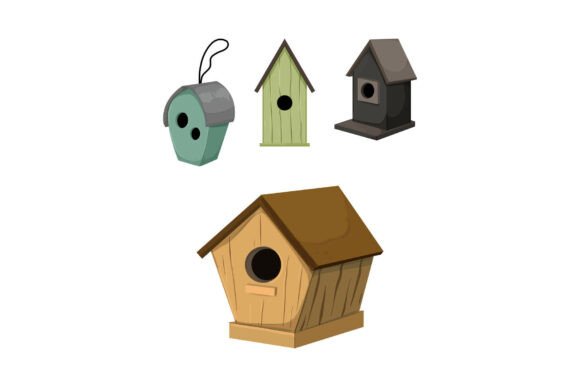
Different Birdhouses Creating a Cozy Home
Transforming an outdoor space into a sanctuary for local wildlife begins with understanding that birds are not just visitors; they are residents seeking safety, shelter, and a place to raise their young. The concept of Different Birdhouses Creating a Cozy Home goes far beyond hanging a single box on a fence post. It is about curating a diverse collection of structures that cater to the specific needs of various species while enhancing the aesthetic appeal of gardens, parks, and backyards. When you approach birdhouse design with intention, you create a functional ecosystem that supports biodiversity and offers a daily source of inspiration for homeowners and designers alike.
The Architecture of Avian Comfort
To truly understand what makes a birdhouse effective, one must look at the biological requirements of the inhabitants. A structure that works perfectly for a chickadee may be entirely unsuitable for a bluebird or a wren. The diversity in design is not merely decorative; it is a practical necessity driven by species-specific behaviors. Different Birdhouses Creating a Cozy Home involves selecting entry hole sizes, perch configurations, and ventilation systems that align with the natural instincts of the target bird population.
For instance, many cavity-nesting birds require precise entrance diameters to prevent larger, more aggressive predators from entering. A standard wooden birdhouse might feature a 1.5-inch hole for tree swallows, whereas a wren house often requires a smaller aperture. By offering a range of designs, you ensure that your garden becomes a multi-species habitat rather than a niche shelter for a single type of bird. This variety is the cornerstone of a successful backyard ecosystem.
Traditional Wooden Designs and Craftsmanship
Wood remains the most popular material for birdhouses due to its natural insulation properties and ability to blend seamlessly into green landscapes. Traditional wooden designs often feature pitched roofs to shed rain and unpainted exteriors that weather naturally over time. For creators and hobbyists, woodworking offers a tactile way to engage with nature. You can source sustainable cedar or pine, which resists rot and provides excellent thermal regulation for nesting eggs.
When crafting these traditional options, focus on durability and safety. Avoid using treated lumber that contains chemicals harmful to birds. Instead, opt for natural finishes or leave the wood raw. A well-crafted wooden birdhouse serves as a timeless addition to any garden, offering a rustic charm that appeals to both humans and wildlife. These structures are particularly effective in rural settings or large backyards where blending into the foliage is a priority.
Modern Decorative and Hanging Options
In urban environments or smaller patios, space is often at a premium, making hanging birdhouses an ideal solution. These designs allow for vertical integration, utilizing trees, pergolas, or eaves without consuming ground space. Modern decorative options have evolved significantly, incorporating vibrant colors, geometric shapes, and unique materials like recycled metal or composite plastics. While aesthetics are important, functionality must never be compromised.
Hanging birdhouses should be equipped with secure mounting hardware to withstand wind and weather. They offer flexibility, allowing owners to move them to different locations based on seasonal changes or predator activity. For designers and marketers looking to create products, this category offers endless possibilities for customization. You can create collections that match specific home decor styles, turning a utility item into a statement piece that sparks conversation among neighbors and guests.
Strategic Placement and Collection Curation
Creating a cohesive collection of diverse birdhouses requires strategic planning. Simply scattering boxes randomly throughout a property rarely yields the best results. To maximize the effectiveness of your setup, consider the "habitat layering" approach. Place freestanding houses near shrubbery to provide cover from aerial predators, while hanging models should be positioned higher up in deciduous trees where birds feel secure.
Consistency in maintenance is equally critical. A collection of birdhouses only creates a cozy home if they remain clean and safe year-round. Regular inspection prevents the buildup of mold, parasites, and old nesting material. For small business owners selling these items, providing clear care instructions adds significant value to the product. Educating customers on how to maintain their birdhouses ensures long-term success and fosters a deeper connection between the user and the wildlife they support.
Adapting Designs for Specific Audiences
Different users have different goals when investing in birdhouses. Educators might use these structures as living classrooms, teaching children about life cycles and ecology. In this context, birdhouses with removable panels allow for observation without disturbing the nest. Freelancers and bloggers often seek visually striking designs for content creation, requiring birdhouses that photograph well under various lighting conditions.
Entrepreneurs in the landscaping industry can integrate custom birdhouses into high-end garden designs, offering clients a turnkey solution for attracting pollinators and songbirds. By tailoring the design language to the client's architectural style—whether modern minimalist or cottage core—you enhance the overall property value. This adaptability demonstrates how a simple concept like Different Birdhouses Creating a Cozy Home can be scaled and modified to fit professional portfolios, educational programs, or personal hobbies.
Freestanding Structures for Parks and Large Gardens
For public spaces like parks or expansive estates, freestanding birdhouses serve a dual purpose: ecological function and landscape architecture. These larger installations can be designed as artistic sculptures that double as habitats. Using durable materials like stone, brick, or heavy-duty timber, these structures withstand heavy foot traffic and harsh weather conditions better than their hanging counterparts.
Freestanding designs also offer the advantage of accessibility for maintenance crews. They can be built with modular components, allowing for easy cleaning and repair. When designing for public spaces, it is essential to consider the visual impact from a distance. A cluster of varied freestanding birdhouses can create a focal point in a park, drawing attention to the importance of conservation while providing essential nesting spots for migratory birds passing through the area.
Practical Recommendations for Success
To ensure your project delivers clear, effective, and organized results, start by researching the native bird species in your region. Understanding their preferences allows you to select the right mix of hanging, freestanding, and traditional designs. Avoid overcrowding; spacing your birdhouses appropriately reduces competition and stress among the birds. Aim for a balance that encourages a healthy population without overwhelming the available resources.
- Select appropriate materials: Prioritize untreated wood, metal, or recycled composites that offer insulation and longevity.
- Vary heights and orientations: Place some houses facing east or south to catch morning warmth, while others face north for cooler climates.
- Include drainage and ventilation: Ensure every design has holes for airflow and water runoff to keep the interior dry.
- Plan for seasonal changes: Consider how snow load or summer heat will affect different structures and adjust accordingly.
By focusing on these practical elements, you move beyond mere decoration and into the realm of responsible habitat creation. Whether you are a designer sketching new concepts, a gardener planting seeds for the future, or a homeowner seeking to connect with nature, the principles remain the same. Diversity in design leads to diversity in life. When you embrace the idea of Different Birdhouses Creating a Cozy Home, you are not just building boxes; you are constructing a legacy of stewardship that benefits the environment and enriches the human experience.
Ultimately, the goal is to create a space where creativity meets conservation. Every nail hammered, every branch trimmed, and every color chosen contributes to a larger narrative of coexistence. As you explore the vast array of options available, remember that the most beautiful birdhouse is the one that is occupied. Let your designs reflect a deep respect for the creatures that share our world, ensuring that your garden remains a welcoming haven for generations to come.