Collection of Vintage Table Lamps Decora: A Practical Guide to Curating Retro Lighting
Integrating a Collection of Vintage Table Lamps Decora into a home or workspace is rarely just about buying a light source. It is a deliberate design process that involves assessment, sourcing, compatibility checks, and strategic placement. For professionals, creators, and homeowners alike, these pieces serve as functional anchors that define the atmosphere of a room while supporting specific workflow needs. Whether you are designing a cozy reading nook for deep work, staging a property for sale, or curating a creative studio, understanding how to manage this collection transforms it from a cluttered assortment into a cohesive asset.
Defining the Role of Vintage Lighting in Your Design Workflow
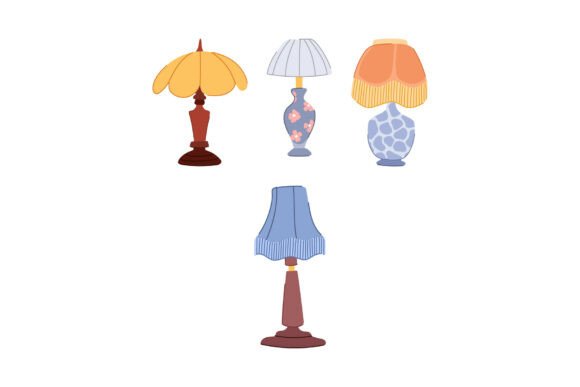
The Collection of Vintage Table Lamps Decora represents more than a single item; it is a portfolio of aesthetic choices ranging from Art Deco geometric bases to Mid-Century Modern organic forms. In a broader design process, these lamps function as both task tools and mood setters. Before acquiring new pieces, it is essential to audit your current environment. This preparation phase involves measuring desk heights, analyzing existing color palettes, and determining the specific lumens required for your daily tasks.
For entrepreneurs working from home, the lighting setup directly impacts productivity and video call quality. A vintage lamp with a warm, amber-toned shade can soften harsh overhead LED lighting, creating a professional yet inviting backdrop for client meetings. Conversely, a glass-shaded banker's lamp provides focused, shadow-free illumination for detailed work like drafting, coding, or editing. The decision-making process here is not purely emotional; it requires balancing nostalgic appeal with functional efficacy.
Assessing Compatibility and Spatial Requirements
Before integrating any piece from the Collection of Vintage Table Lamps Decora, you must evaluate physical compatibility. Vintage fixtures often differ significantly from modern standards in terms of plug types, bulb sizes, and switch mechanisms. A critical step in the planning phase is verifying electrical safety. Many older lamps require rewiring by a qualified electrician to meet current safety codes, ensuring they do not pose a fire hazard.
Spatial organization is equally important. Unlike mass-produced modern lighting, vintage lamps vary wildly in height and base footprint. A tall, slender torchiere might dominate a small side table, disrupting the visual balance of a workspace. During the selection process, create a mock-up layout using measurements or digital planning tools. This allows you to visualize how the decorative shades and bases interact with other furniture assets before committing to a purchase. Consistency in scale ensures that the collection feels intentional rather than accidental.
Sourcing and Acquisition Strategies
Building a robust collection requires a methodical approach to sourcing. The market for retro and vintage styles is fragmented across estate sales, online marketplaces, antique shops, and restoration forums. Successful curation involves setting clear criteria for condition, era, and style before beginning the search. This pre-planning prevents impulse buys that may not align with your long-term design goals.
When evaluating potential additions to your Collection of Vintage Table Lamps Decora, inspect the structural integrity of the base and the fabric of the shade. Look for signs of wear that add character, such as patina on brass or slight fading on linen, but avoid items with cracked ceramics or frayed wiring that cannot be easily repaired. Understanding the provenance of a piece can also add value, especially if you are documenting the history for a blog, business inventory, or personal archive.
- Estate Sales: Often offer the best prices for bulk purchases, allowing you to find matching sets or complementary styles in one location.
- Online Marketplaces: Provide access to rare finds but require careful scrutiny of photos and seller ratings to ensure accuracy.
- Restoration Workshops: Ideal for those who want to learn the repair process, turning a broken find into a fully functional asset.
Quality Control and Restoration Protocols
Once acquired, the implementation phase begins with quality control. This involves cleaning, repairing, and potentially restyling the lamps. For the bases, gentle polishing with appropriate cleaners can restore luster without stripping historical patina. Shades often need vacuuming or spot cleaning; however, delicate materials like silk or paper require specialized care. If a shade is beyond repair, sourcing a replacement that matches the original profile maintains the lamp's integrity while updating its look.
Electrical upgrades are non-negotiable for safety and efficiency. Replacing old incandescent bulbs with compatible LED equivalents reduces heat output and energy consumption. When selecting LEDs, pay attention to the Color Rendering Index (CRI) and Kelvin temperature. High CRI bulbs reveal true colors, which is vital for designers and photographers, while a lower Kelvin temperature (2700K–3000K) preserves the cozy, nostalgic glow associated with vintage aesthetics.
Strategic Placement and Workflow Integration
The final stage of utilizing the Collection of Vintage Table Lamps Decora is strategic placement within your environment. This is where the theoretical design meets practical execution. Consider the primary activity of each room. In a home office, place lamps to eliminate screen glare and reduce eye strain. In a living area, use them to create layers of light that encourage relaxation and conversation.
For content creators and bloggers, these lamps serve as powerful visual assets. A well-lit corner featuring a unique vintage lamp can become a signature background for videos or a focal point for photography. The interplay of light and shadow cast by decorative shades adds depth and texture to images, elevating the production value of your content without expensive equipment.
Creating Cohesive Zones
To achieve a polished look, group lamps by style or material to create cohesive zones. You might cluster three different Art Deco lamps on a console table for a dramatic statement, or scatter various Mid-Century pieces throughout a large open-plan space to maintain visual continuity. This organizational strategy helps manage the visual weight of the collection, preventing the room from feeling chaotic.
Consistency in usage patterns also matters. Establish a routine for maintenance and rotation. Regularly dusting shades and checking cords ensures longevity. Rotating lamps between rooms based on seasonal changes or project needs keeps the environment fresh and dynamic. This active management turns the collection into a living part of your home ecosystem rather than static decoration.
Long-Term Value and Adaptability
Investing in a Collection of Vintage Table Lamps Decora offers long-term benefits beyond immediate aesthetics. Quality vintage pieces often appreciate in value, serving as a financial asset alongside their decorative function. They are also adaptable; as your needs change, these lamps can be moved, repurposed, or updated with new shades to fit evolving trends.
Furthermore, owning a curated collection fosters a deeper connection to design history. It encourages a mindset of sustainability and mindful consumption, contrasting sharply with the disposable nature of fast fashion and fast furniture. By prioritizing durability and timeless style, you build an environment that supports both your professional output and personal well-being.
Ultimately, the successful integration of these lamps relies on a balance of planning, technical knowledge, and aesthetic judgment. Whether you are a freelancer optimizing a home studio or a homeowner seeking elegance, treating your lighting as a structured project yields superior results. The Collection of Vintage Table Lamps Decora becomes more than just a set of objects; it becomes a foundational element of a thoughtfully designed life.