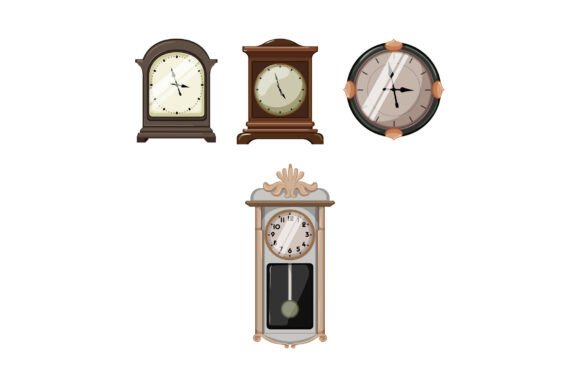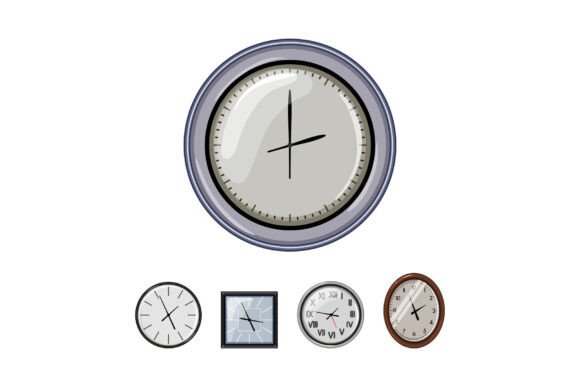
Collection of Timepieces Illustrating Design and Diverse Wall Clocks
In the landscape of interior design and functional workspace organization, a Collection of Timepieces Illustrating Di serves as more than just a visual statement. It represents a curated assembly of decorative wall clocks that display diverse designs, numbering styles, and mechanical mechanisms. For professionals, entrepreneurs, and creatives aged 20 to 50, these objects are not merely static decorations; they are active participants in the daily rhythm of work and life. They symbolize the passage of time, enforce schedules, and anchor business routines in physical reality. Understanding how to integrate this collection into a broader workflow requires looking beyond aesthetics to functionality, psychology, and process management.
The Role of Visual Timekeeping in Professional Workflows
Time is the most finite resource in any business or creative endeavor. While digital notifications and smartphone alarms dominate modern productivity tools, they often create a sense of urgency without providing a holistic view of the day's structure. A Collection of Timepieces Illustrating Di offers a counterbalance to this digital fragmentation. By placing various clocks within a workspace—whether it is a home office, a collaborative studio, or a corporate lobby—you establish multiple focal points for temporal awareness.
This approach fits into the broader process of environmental design and cognitive load management. When a team member glances at a large, minimalist clock with Roman numerals, the message conveyed is different from looking at a colorful, segmented clock used for project sprints. The diversity in design allows for specific contextual cues. For instance, a traditional clock with distinct ticking hands might be placed near a meeting room to signal formal adherence to agendas, while a sleek, silent sweep-second clock in a creative zone encourages flow states where minutes feel less rigid.
Strategic Placement Before and During Projects
The utility of these timepieces extends across the entire lifecycle of a project. In the preparation phase, selecting the right clock for a specific area sets the tone for the work to follow. If you are launching a new marketing campaign that relies on strict deadlines, installing a clock with clear, bold numbering can subconsciously reinforce the importance of punctuality. Conversely, during the execution phase of a long-term creative project, a clock with an abstract face or one that lacks minute markers can help reduce anxiety about every passing second, allowing for deeper focus.
During the actual workflow, these clocks interact with other tools and methods. Consider a freelancer managing multiple client calls. A secondary clock set to a different time zone, part of their Collection of Timepieces Illustrating Di, becomes a critical asset for coordination. This eliminates the need to constantly switch tabs to check world clocks, keeping the user immersed in the task at hand. The physical presence of the clock acts as a constant, low-friction reference point, reducing cognitive switching costs.
Integrating Diverse Designs into Daily Routines
The "diverse designs" aspect of this collection is not just about style; it is about usability and psychological impact. Different numbering styles—from Arabic numerals to binary code, or even word-based hours—trigger different mental associations. In a high-pressure sales environment, a clock with a countdown timer aesthetic might drive performance. In an educational setting, a clock that visually breaks down the hour into quarters helps students grasp the concept of time allocation more effectively.
To integrate these elements smoothly into a routine, one must consider the compatibility of the clock's mechanism with the ambient noise level of the room. A loud ticking sound can be a motivator for some but a distraction for others requiring deep concentration. Therefore, quality control involves testing the acoustic profile of each piece before final placement. Consistency in maintenance is also key; a collection that includes non-functioning or inaccurate pieces undermines the very purpose of the installation, eroding trust in the schedule.
Workflow Examples for Different Professions
- For Entrepreneurs: Use a large, central clock to mark the start and end of the workday, creating clear boundaries between professional and personal time. Supplement this with smaller clocks in meeting rooms to ensure agenda discipline.
- For Marketers and Bloggers: Utilize clocks with unique numbering styles to inspire content ideas. A clock displaying time in a non-standard format can serve as a visual metaphor for "thinking outside the box," sparking creativity during brainstorming sessions.
- For Educators: Implement a variety of clocks to teach time management concepts. One clock can show the total lesson time, while another displays the remaining time for specific activities, helping students self-regulate their pace.
- For Freelancers: Curate a collection that reflects the different "modes" of work. A dedicated clock for billable hours and another for administrative tasks can help separate revenue-generating activities from overhead.
Factors Influencing Selection and Implementation
When building a Collection of Timepieces Illustrating Di, several factors determine success. Preparation is paramount. You must assess the lighting conditions of the space, as glare can render a clock unreadable. The material of the clock face should match the durability requirements of the environment; a busy kitchen or workshop demands different materials than a quiet library.
Efficiency is another critical factor. The goal is to make time visible without making it intrusive. If a clock requires squinting to read or if its design is so complex that it takes seconds to interpret, it fails its primary function. Usability testing is simple: stand at your typical working distance and verify that the time is legible within two seconds. This ensures that the tool supports the workflow rather than hindering it.
Long-Term Use and Organizational Impact
Over the long term, a well-curated collection of clocks contributes to a culture of time respect. It signals to clients, employees, and visitors that time is valued and managed intentionally. This organizational impact goes beyond the individual; it shapes the collective behavior of a team. When everyone operates under the same visual cues regarding time, meetings start on time, deadlines are met with greater consistency, and the overall efficiency of the business improves.
Furthermore, these timepieces can serve as conversation starters and branding assets. A unique clock design can become a signature element of a brand's identity, appearing in photoshoots, video backgrounds, and social media content. This turns a functional object into a marketing asset, reinforcing the brand's attention to detail and appreciation for design.
Practical Tips for Seamless Integration
To successfully implement a Collection of Timepieces Illustrating Di in your own environment, start by auditing your current relationship with time. Identify where bottlenecks occur. Do you lose track of time during creative work? Do you consistently run over in meetings? Once you identify the pain points, select clocks that address them specifically.
Consider the synchronization of all devices. If you have multiple clocks, ensure they are all accurate. A discrepancy of even a few minutes can cause confusion and undermine the system. Regularly check and adjust the time, treating it as part of your standard operating procedure. Additionally, think about the scalability of your collection. As your business grows or your needs change, you may need to add clocks that reflect new time zones or project methodologies.
Finally, remember that the ultimate goal is not to fill walls with clocks, but to create an environment where time is respected and managed effectively. Whether you are a small business owner trying to streamline operations or a creator seeking to optimize your daily routine, these decorative yet functional pieces offer a tangible way to master the intangible nature of time. By thoughtfully integrating diverse designs and numbering styles, you transform the abstract concept of "passing moments" into a structured, manageable asset that drives productivity and clarity.